Post-Expedition reflections:
My practice responds to the narratives of the underrepresented through the narrative of climate change queried as a social, political and environmental phenomenon. With the advent of the Enlightenment, we saw not only the break with faith with the emergence of rational philosophy and scientific theory but also the break with nature. Scientific race theory enabled the mechanisation of humanity to ensure the engine and progression of the colonial project proceeded. The social construction of race created a racial hierarchy but I would argue that nature itself was the baseline, the control group, by which racialisation and race were demarcated therefore I would say that nature itself was racialised with the express intention of its mechanisation and objectification to ensure the greatest potential for exploitation.
Within the Caribbean, we saw the Caribbean seal hunt to extinction for its blubber to oil the cogs of the sugar mills on the plantations (Gumbs, 2020) and soil integrity decimated with the cultivation of sugar cane. Between the Imperial European empires over the last 500 hundred years, we have seen billions of acres of clearance of primary natural spaces for plantations, extensive land-based and marine biodiversity loss, the establishment of seed sovereignty, any and every conception to realise the commercial enterprise of colonialism and one that the West still benefits from today as it does from nature, where conceptions and arguments of climate debt and colonialism take root in defiance of greenwashed foreign policies and cursory accountability. The consumption and exploitation of nature within our capitalist free market are so embedded, however with the advent of numerous social justice movements from Abolitionism to BLM we have seen the slow, slow paradigm shift and dismantling of the social construction of race, and nature is the last community/ies starting to benefit from social and environmental justice movements that one day will reflect the pluriversal view of the communities that inform then and successfully benefit from them.
Social justice is critical to environmental movements as we are seeing with the longevity of community-led projects such as Summit to Sea in Wales or organisations like Blue Ventures working with communities in the regeneration of marine environments and fisheries. Yet we see the colonial narratives at play where policies and decisions are made about countries, communities, futures without consultations with those societies. In many ways, environmentalism is the purview of the privileged, especially when so many times the ‘Undercommons’ (Moten, Harney:2013), are priced out of ethics and sustainability, yet activists have argued that it will be the cities centres where the fight for nature will be lived as these are the spaces where there is the greatest disconnect with nature, the highest amount of consumption levied against the concentration of disenfranchisement and marginalisation.
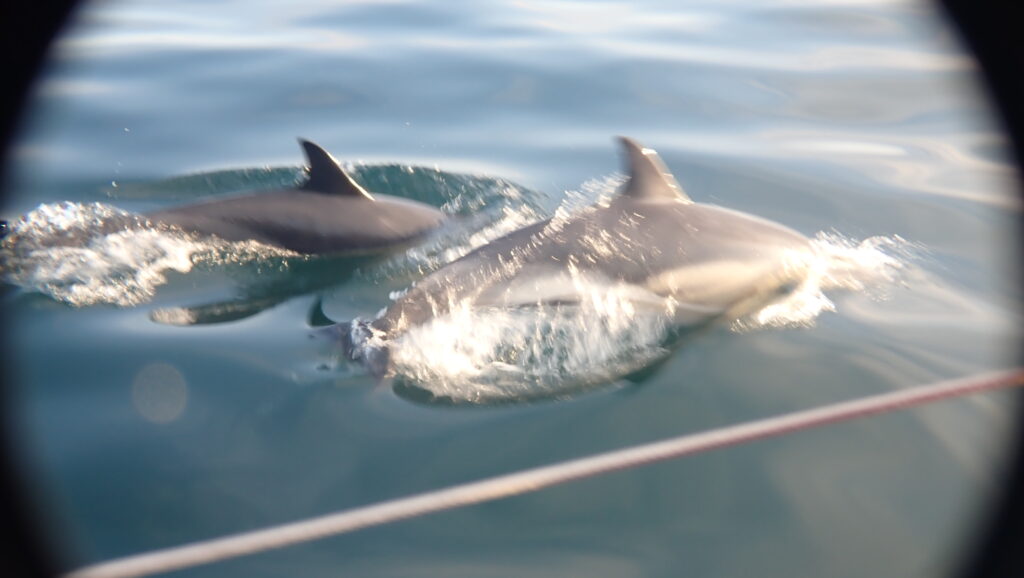
My fundamental act within my practice is to query and deepen this helical evolution of self and nature to understand the divine ecology that is present and critical to our sustainability, but more than this to work towards an ecological plurality, towards a pluriversal archipelagic/aquapelagic thinking (Stephens and Martinez-Migel, 2020), to facilitate each stage of how we will live our collective futures. I want to share this deepening burgeoning relationship with nature, this kinship, which is one of the most influential relationships in my life and through that evolve and extend my investment and protection of those relationships, communities and spaces. How can we enfranchise bio-communal collectivity? What can we learn from social justice and Black-led liberation movements to inform the UK environmental movement/s? In turn, what are the communal and survival strategies we can learn from nature to further empower the challenges we face within social justice from coral fluorescence to the use of intergenerational and communal schools as seen in various species of marine mammals such as dolphins? (Gumbs: 2020) Creative movements have been the driving force behind every paradigm shift within human history using creative political languages to widen, educate and play/present new conceptualisations of lived experience and radiant futures. This is where I seek to stand at the estuary of what we could become.
Reading:
-‘Undrowned – Marine Strategies for Combating Environmental Challenges’, Gubbs, AK Press, 2020.
-‘Contemporary Archipelagic Thinking – Toward New Comparative Methodologies and Disciplinary Formations’, Stephens and Martinez-Migel, Roman and Littlefield, 2020
-’The Undercommons – Fugitive Planning and Black Study’, Moten and Harney, Minor Compositions, 2013.
-’Decolonising Nature – Contemporary Art and the Politics of Ecology’, T J Demos, Sternburg Press, 2016.